Concrete contractor in Eastern Goleta Valley - slabs that drain and stay flat
Goleta Concrete is a concrete contractor based in Goleta, building driveways, patios, walks, steps, retaining walls and foundations for homes across Eastern Goleta Valley, from the flatter lots near the ocean up to the foothills.
- Licensed and fully insured.
- Free estimates at your property.
- We respond within 1 business day.
Concrete work in Eastern Goleta Valley
Eastern Goleta Valley is the stretch of neighborhoods between Goleta and Santa Barbara. It's a short drive from our base in Goleta and from the jobs we do around UC Santa Barbara. Most of the calls we get come from homeowners, and the work here is what you'd expect around houses with yards. We see driveways that have cracked or sunk, patios that hold water after a rinse, and the walks and steps that tie a lot together.
The first thing I look at is the ground, because a flat lot and a sloped one are different jobs. The price usually turns on how much old concrete comes out and how much digging, base and forming your lot needs. The schedule turns on whether your job needs a permit and on curing, the days a new slab needs to harden before it can take weight. I'll give you a figure for your job once I've walked the property.
Concrete services in Eastern Goleta Valley
Concrete driveway building
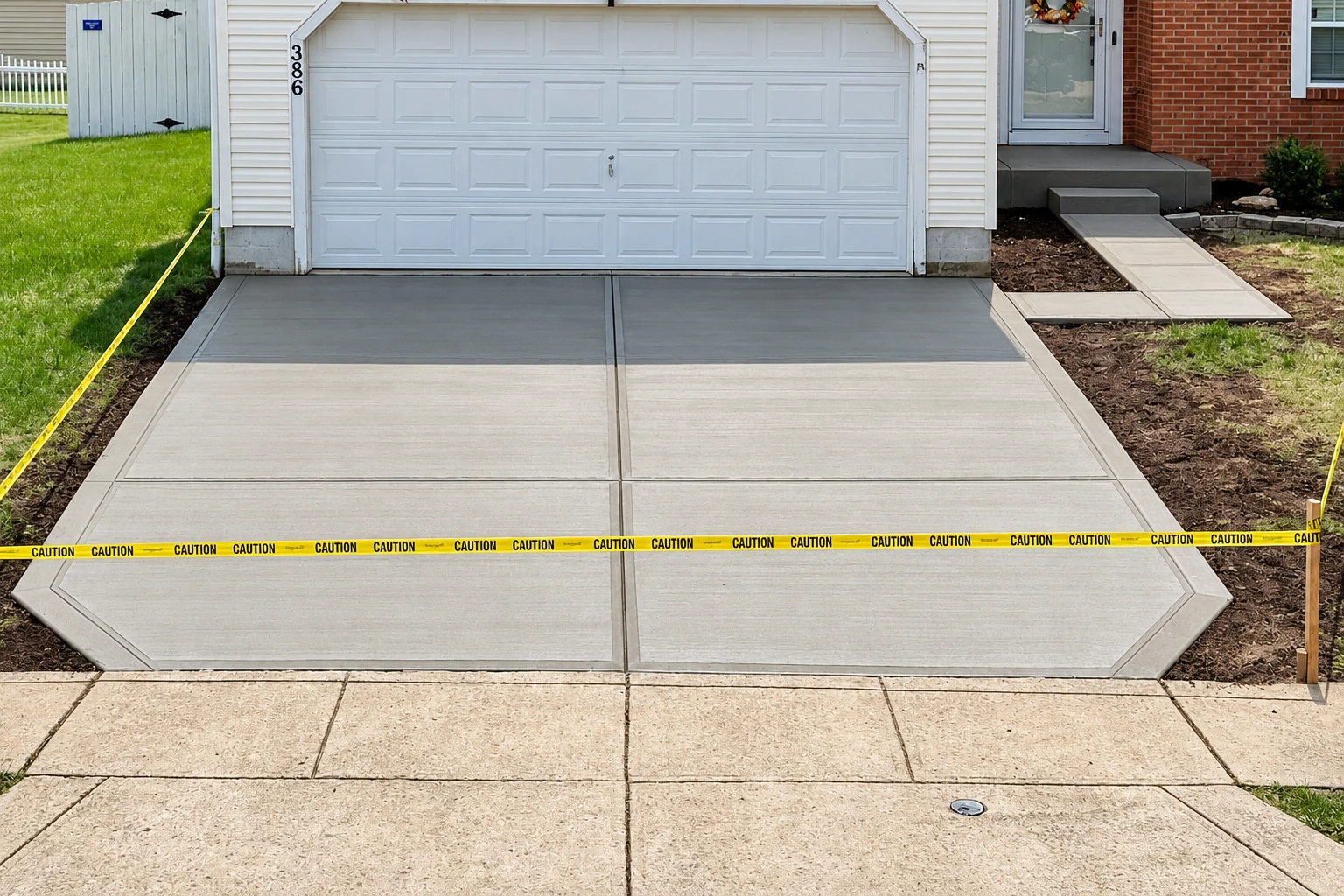
Foothill driveways often climb, so we dig out to firm ground, pack the base and set the slope so runoff heads to the street.
Learn more about Concrete driveway buildingConcrete patio construction
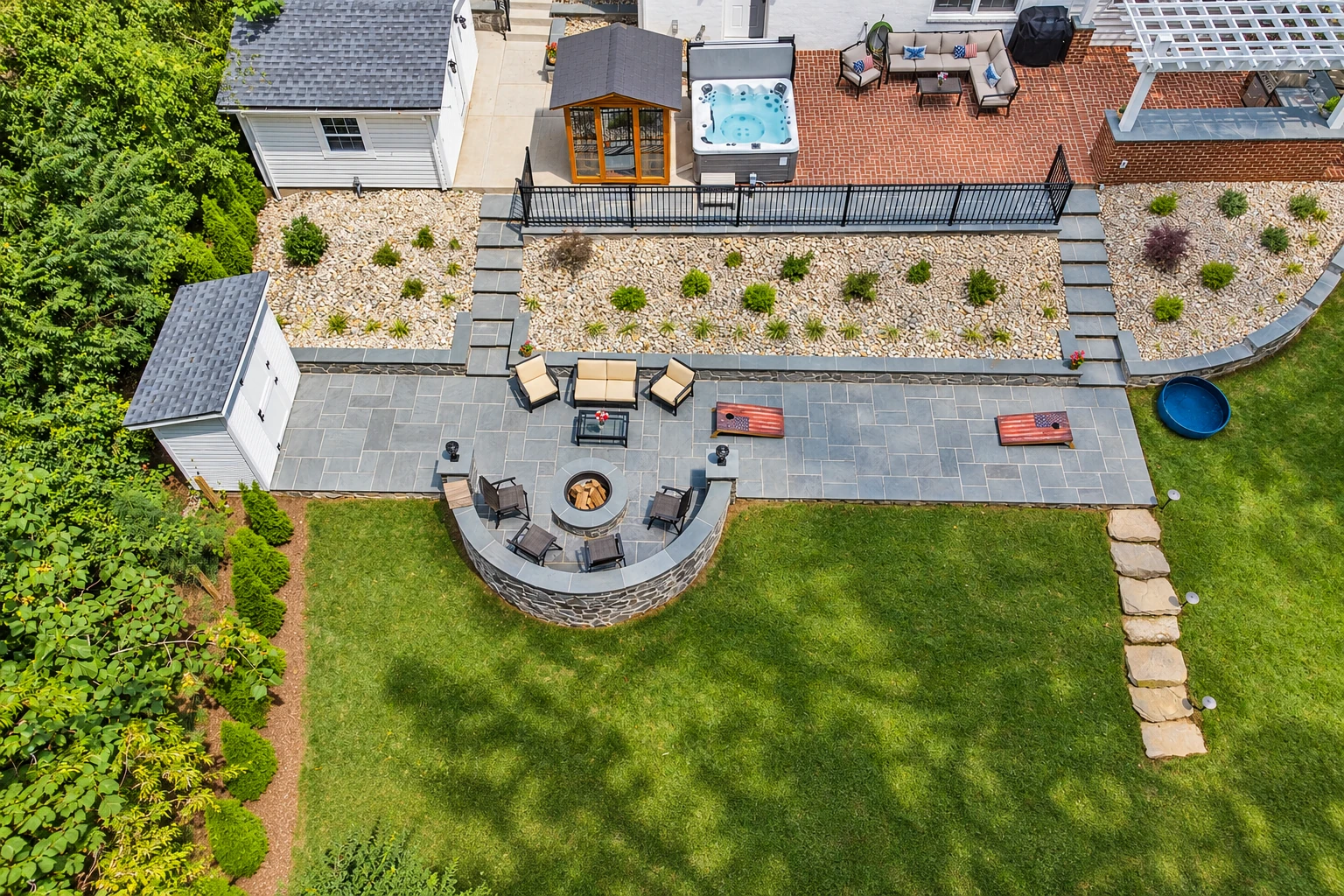
Patios on the flatter lots need a gentle fall away from the house, and we set it before the pour so water won't pool.
Learn more about Concrete patio constructionStamped concrete services
Stamping presses a stone or brick pattern into a fresh slab, which suits the front entries and patios people here want to dress up.
Learn more about Stamped concrete servicesConcrete sidewalk building
On sloped lots a walk often needs a step built in, and we lay it out so it's easy underfoot and sheds water.
Learn more about Concrete sidewalk buildingGarage floor concrete
Replacing a cracked, stained garage floor starts with breaking out the old slab and checking the subgrade, the ground the new one sits on.
Learn more about Garage floor concreteDecorative concrete
Color, exposed stone or a saw-cut pattern can make a slab fit the house beside it instead of looking like a parking pad.
Learn more about Decorative concreteConcrete retaining walls
Foothill yards often need a wall to hold the slope, and we plan the footing and the drainage behind it first.
Learn more about Concrete retaining wallsConcrete floor installation
Interior slabs for additions, workshops and converted spaces get a moisture barrier and a flat, true finish so the flooring on top lies right.
Learn more about Concrete floor installationConcrete pool decks
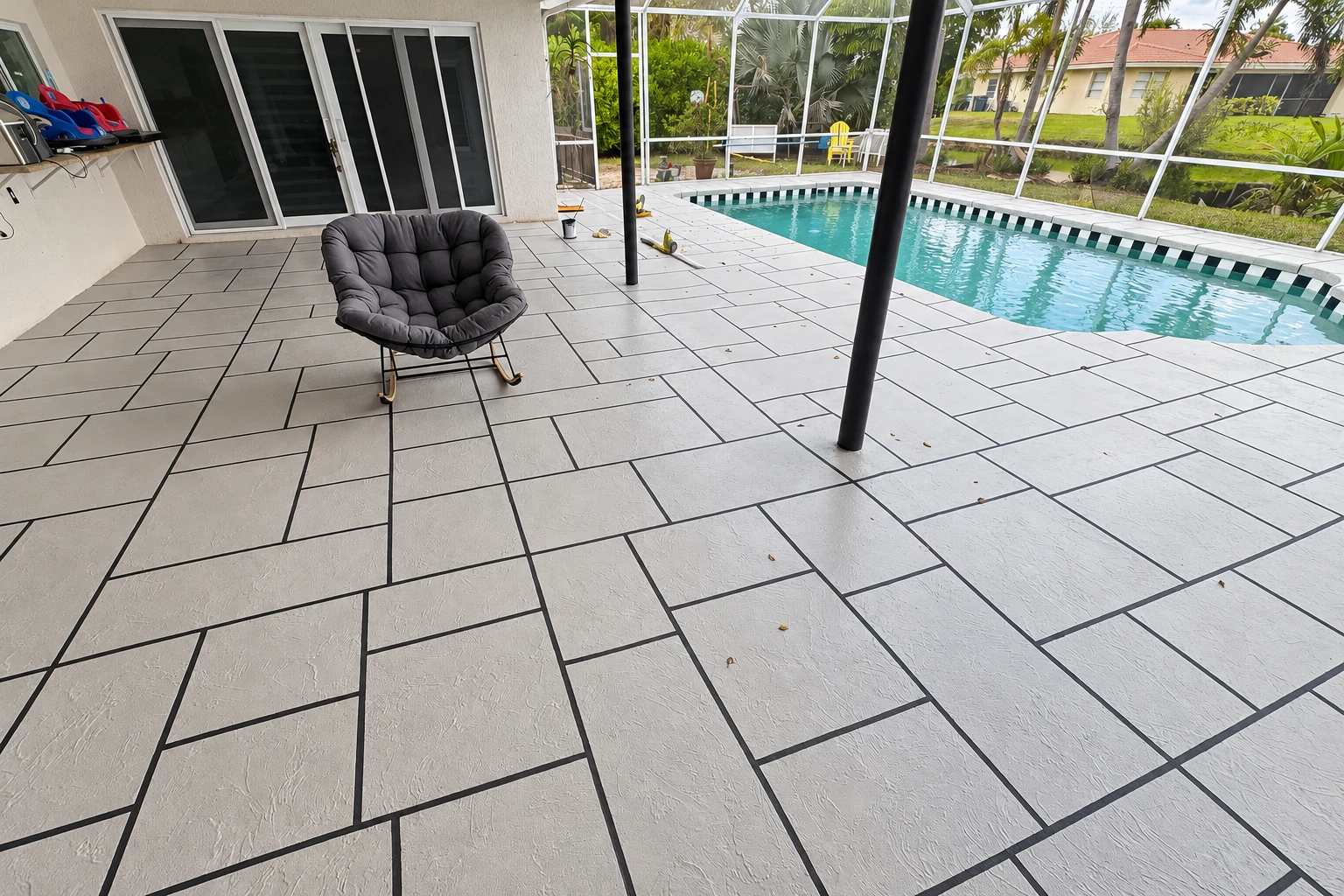
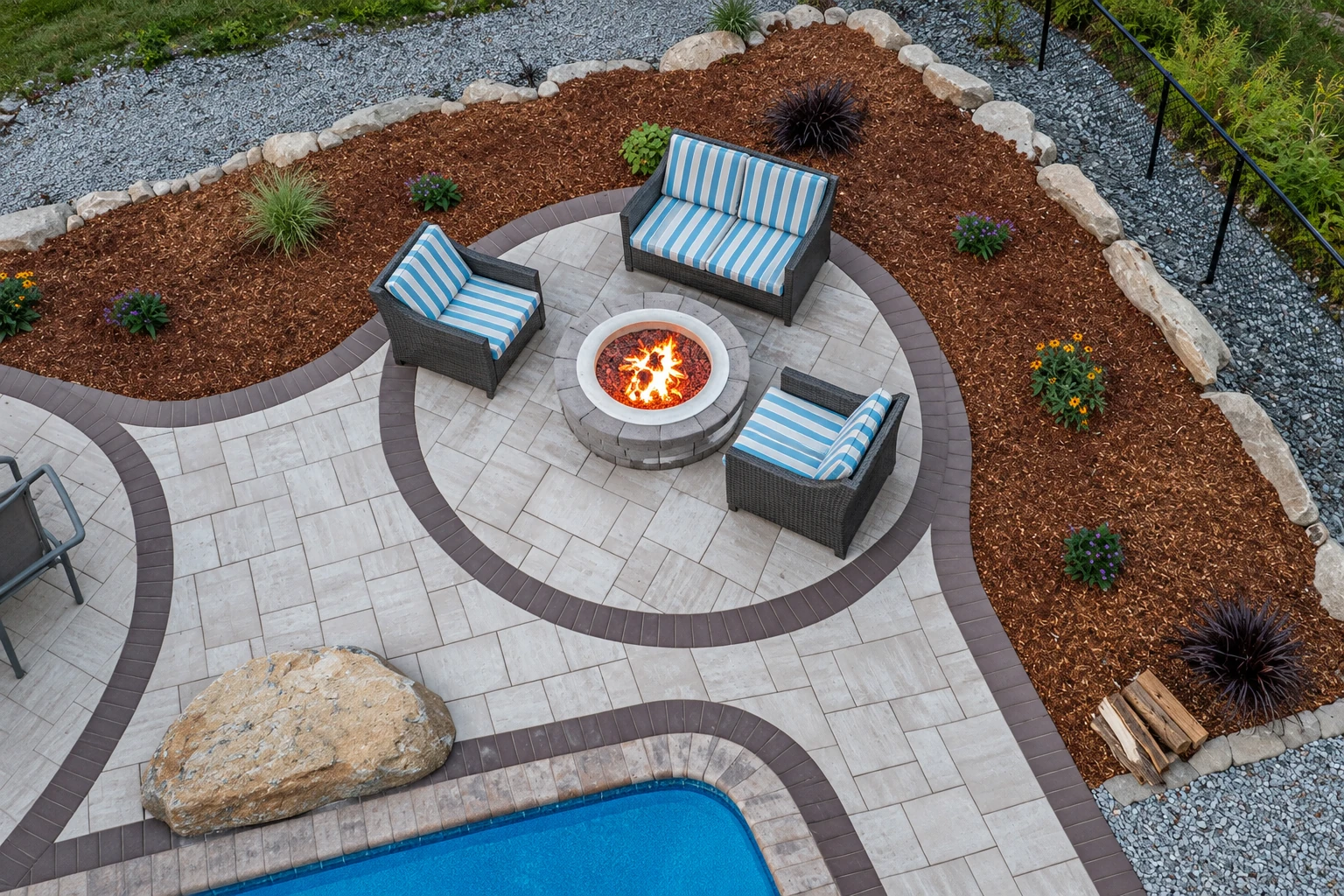
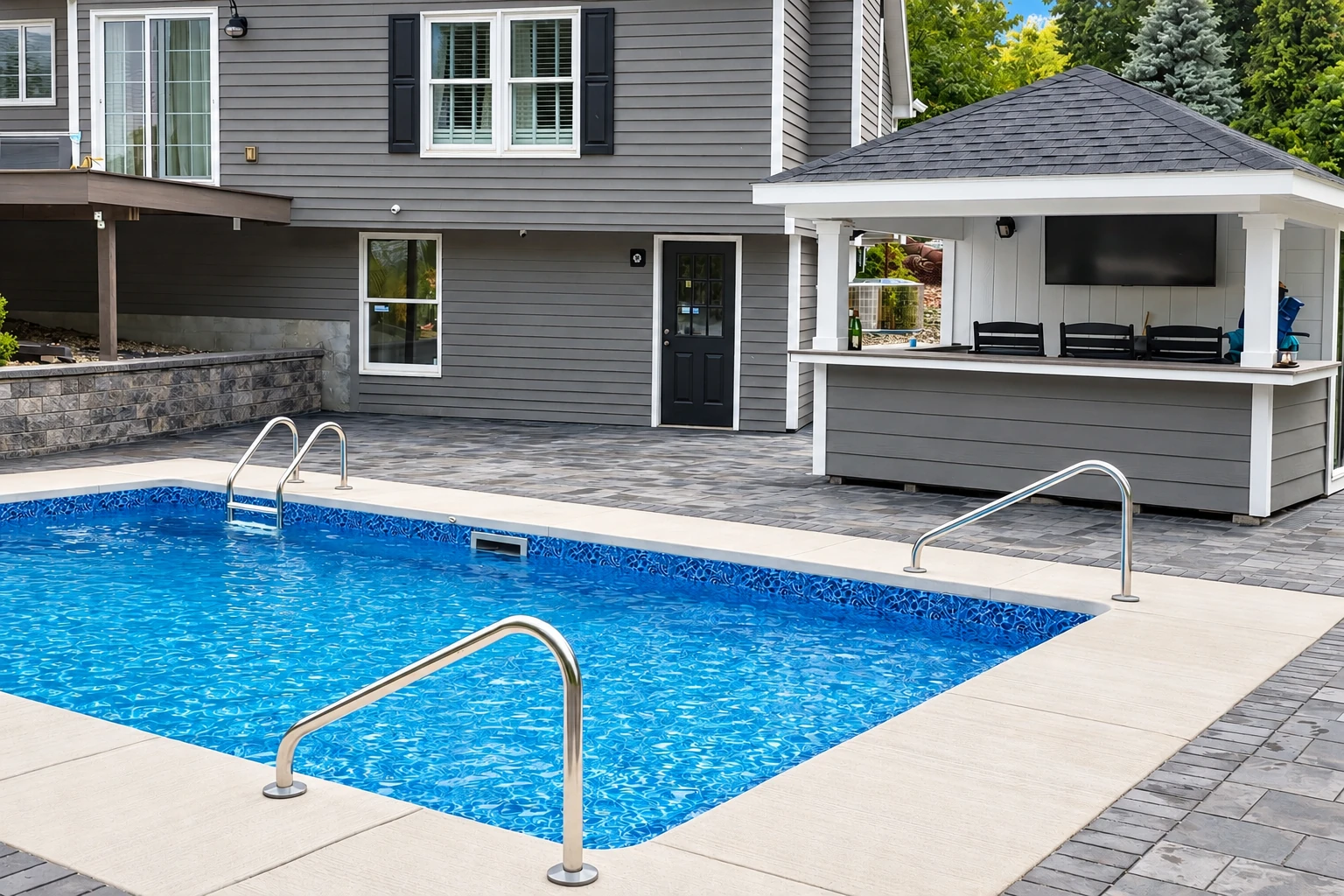
Backyard pool decks get a textured finish that grips wet feet, and we slope them so splash water runs to the drains.
Learn more about Concrete pool decksConcrete steps construction
Homes set above the street on hillside lots need steps with even rises top to bottom, since one odd step is what trips people.
Learn more about Concrete steps constructionSlab foundation building
For an addition, garage or guest unit, we pour the slab foundation with rebar, steel that holds the concrete together if it cracks.
Learn more about Slab foundation buildingFoundation installation
When a hillside lot calls for a stepped foundation, we dig and pour it to follow the slope instead of fighting it.
Learn more about Foundation installationConcrete parking lot building
Lots for small offices or multi-unit properties need a slab built for daily traffic and a clear path for the runoff it sheds.
Learn more about Concrete parking lot buildingConcrete footings
Footings carry the weight of a wall, deck post or addition, and on sloped ground we dig to firm soil before pouring.
Learn more about Concrete footingsFoundation raising
If a corner of the house has settled, I look for why the ground moved before we raise and support it.
Learn more about Foundation raisingConcrete cutting
We saw-cut openings, trenches for drain lines and clean edges where a damaged section of driveway comes out and new concrete goes in.
Learn more about Concrete cutting
What Eastern Goleta Valley lots ask of concrete
The area runs from the ocean up toward Camino Cielo, so one job can sit on nearly flat ground and the next on a slope that wants to move downhill. A driveway or patio laid on loose fill will settle and crack, so we dig down to firm ground, pack the base in layers and add a wall or footing where the hill needs holding. That base work is the part you won't see on day one, and it's usually the first thing people want to cut from a budget. I'd rather spend your money there than on a fancier finish, because a nice surface on a weak base still sinks.
Water is the other thing we plan for. Before we set a form, I check where runoff goes now and where it'll go once there's a hard surface, and we pitch the slab away from the house so it doesn't pool against your walls.
Get a free estimate for your Eastern Goleta Valley job
Tell us your address, the job and anything you've noticed, like cracks or pooling water, and we'll reply within one business day. I'll come out myself to write a free estimate, with no pressure to book.
Eastern Goleta Valley concrete questions
Who issues permits for concrete work in Eastern Goleta Valley?
Santa Barbara County issues them, because Eastern Goleta Valley is unincorporated and falls under the county, not a city. County Planning & Development issues permits for work that builds, alters, enlarges or rebuilds a structure, and its permitting office takes questions on which permit a project needs. We check with the county for your address, and when your job needs a permit we handle the application and set up the inspections.
Does a concrete retaining wall need a permit in Eastern Goleta Valley?
A retaining wall up to 4 feet tall, measured from the bottom of the footing to the top of the wall, is on the county's undated list of work that needs no building permit. That only holds if the wall isn't carrying extra load, like a driveway or slope above it, and isn't holding back stored liquids. A taller wall or one carrying that load falls outside the exemption, and other county permits can still apply, so I confirm with the county before we dig.
When does a contractor need a state license for concrete work in California?
California's Contractors State License Board says a license applies when a project needs a building permit, uses employee labor, or its contracts total $1,000 or more in labor and materials. A larger job can't be broken into smaller contracts to stay under that line. We're licensed and fully insured.
How much does a concrete driveway cost in Eastern Goleta Valley?
It's priced from your lot, so I give you a number after I've walked it instead of quoting a rate over the phone. The biggest swings come from tearing out the old slab, how much digging and packed base the ground needs, the size and thickness, and any wall or steps a slope calls for. A stamped or colored surface costs more than a plain broom finish, the light brushed texture that gives shoes and tires grip. On a big job, the county's older permit form says a Stormwater Control Plan goes in with the application once new or replaced hard surface tops 2,500 square feet, which adds planning.
How long does a new concrete driveway take before I can use it?
The pour is usually the quick part. What keeps you off the driveway is the curing we talked about above, plus any permit and inspection the county needs before we start. You can walk on a new slab well before you can drive on it, and I'll tell you when each is safe for your job, since the thickness and that week's conditions both play into it.
What causes concrete to crack, and will my new patio crack like the old one?
Old slabs usually crack because the base was raked level instead of dug out and packed, water got underneath, or the joints were cut late or skipped. Some hairline cracking is normal because concrete shrinks as it hardens, so we cut control joints, shallow grooves that give those cracks a planned line to follow. We also pour early in the day so the top doesn't dry too fast and turn weak and dusty. I won't promise a slab that never cracks, but a good base and well-placed joints do most of the work of keeping it flat.
Planning a slab, wall or driveway?
I come out to see the job myself, walk the lot with you and write up the estimate for your work.
Other areas we serve
Find your area here if it has its own page. If it doesn't, call (805) 285-4985 or send the form, since we work across the South Coast and beyond.