Concrete Contractor in Montecito, CA - Flatwork Built for Hillside Lots
Goleta Concrete is a concrete contractor building driveways, patios, walks, steps, retaining walls and foundations for Montecito homes. We're based in Goleta, and I look at every job myself and run the crew through the pour.
- Licensed and fully insured.
- Free estimates at your property.
- We respond within 1 business day.
Concrete work on Montecito's hillside properties
Most of our calls from Montecito come from homeowners on bigger lots than we see in most of the cities around here. These are often older houses set back on long drives, with gardens stepped down the hillside and walls and stairs holding it all together. A lot of that concrete has been in place for decades, so the job is usually replacing a driveway or patio that's cracked, sinking or chipping rather than starting from bare dirt. We come over from Goleta for this work the same way we work in Santa Barbara next door and down the coast in Carpinteria.
On a slope, a driveway or patio is only as good as the ground under it and the path the water takes. That goes for all flatwork, which is any slab poured right on the ground. Narrow, winding lanes also decide how close the truck can get, so I plan the pour around access before anything is ordered.
What we build for Montecito homes
Concrete driveway building
Long, sloped drives are common here, so we dig out and pack the base and set the fall before any concrete arrives.
Learn more about Concrete driveway buildingConcrete patio construction
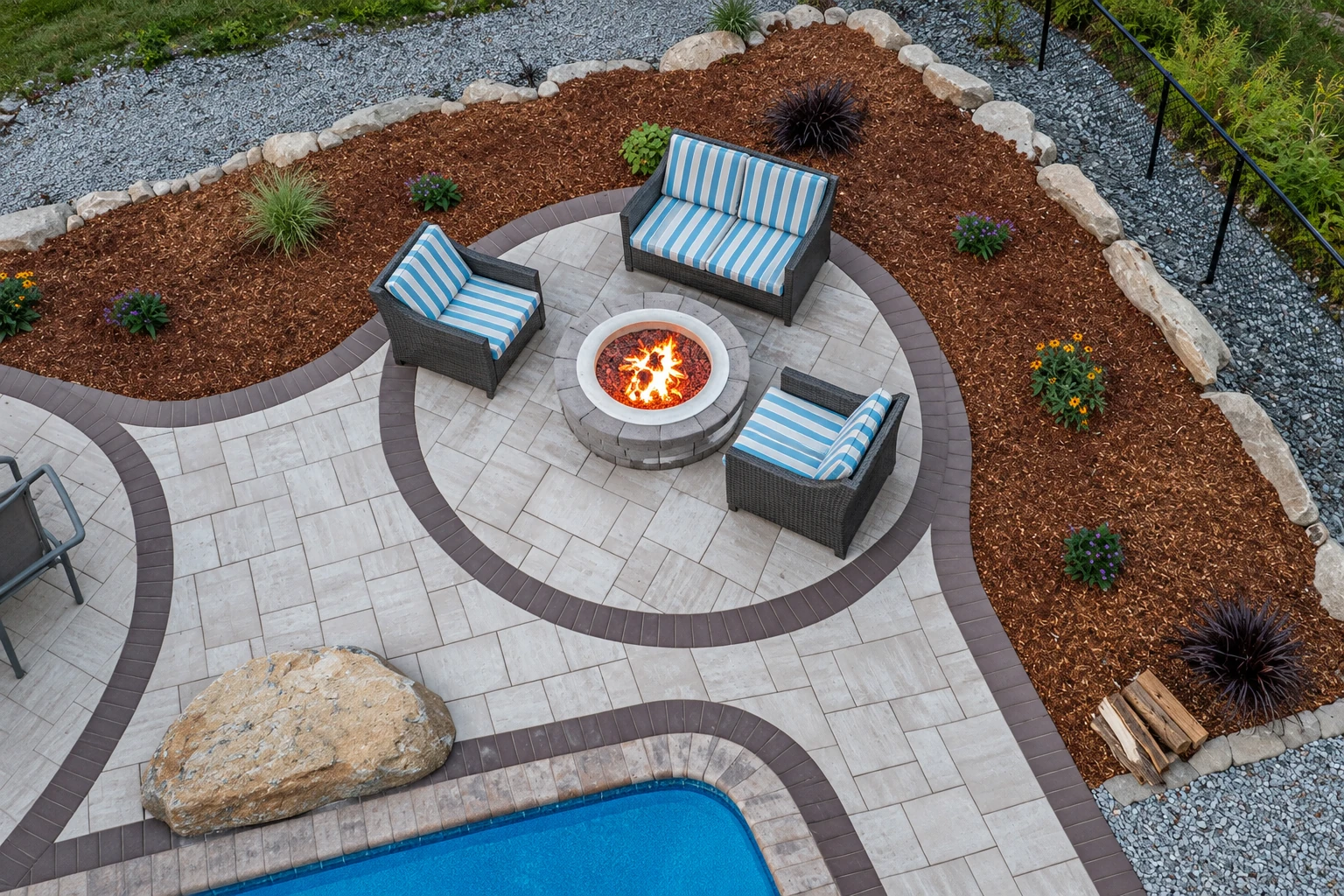
For garden patios off older homes, we check where the yard drains before we pour so the slab sheds water away from the house.
Learn more about Concrete patio constructionStamped concrete services
Stamped concrete can pick up the stone and tile look many Montecito homes already have, laid over the same packed base as any slab.
Learn more about Stamped concrete servicesConcrete sidewalk building
Garden walks and paths between terraces need gentle slopes, steady footing and joints placed where they look right on a hillside yard.
Learn more about Concrete sidewalk buildingGarage floor concrete
Older garages on estate properties often have tired, cracked floors. We break out the old slab, fix what's under it and pour new.
Learn more about Garage floor concreteDecorative concrete
Colored, exposed or textured finishes that suit a Spanish or traditional house, with the same attention to drainage and base underneath.
Learn more about Decorative concreteConcrete retaining walls
Hillside lots here lean on walls to hold back slopes and make flat yard space, and each one needs solid footings and drainage behind it.
Learn more about Concrete retaining wallsConcrete floor installation
Interior slabs for guest houses, studios and workshops, poured level over a compacted subgrade, the packed ground the slab sits on.
Learn more about Concrete floor installationConcrete pool decks
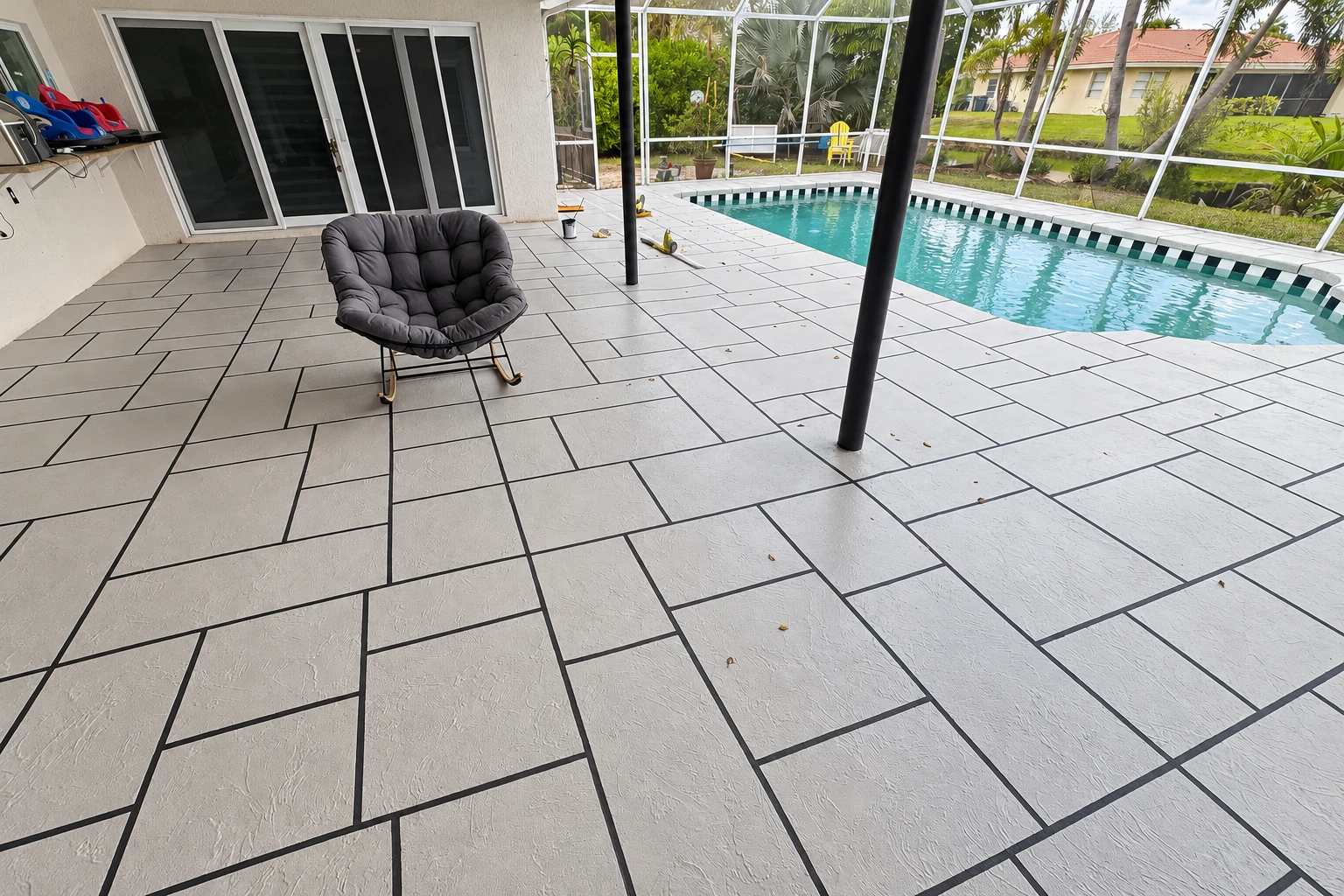
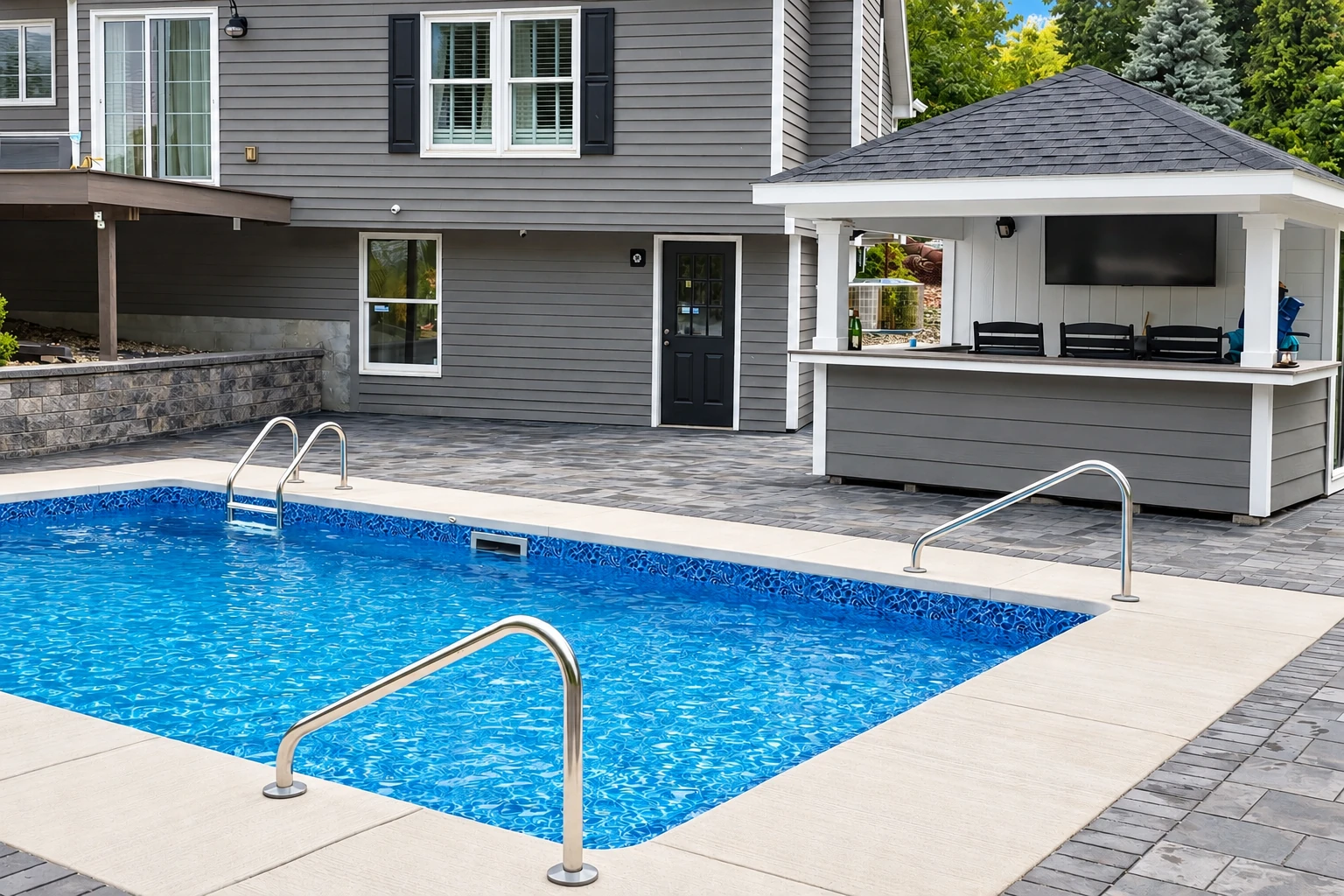
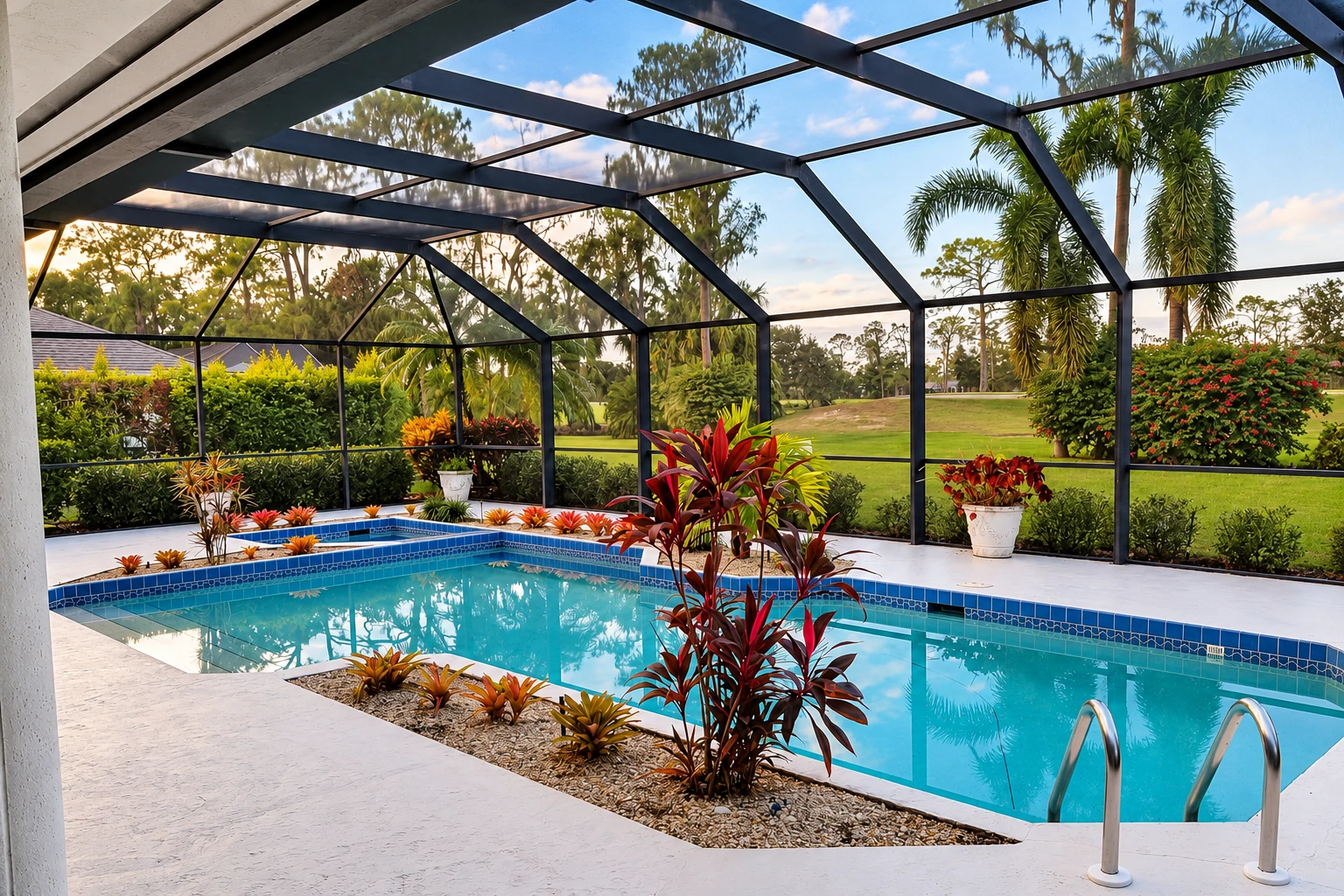
Decks around estate pools need a surface that grips wet feet and slopes water away from the pool edge and the house.
Learn more about Concrete pool decksConcrete steps construction
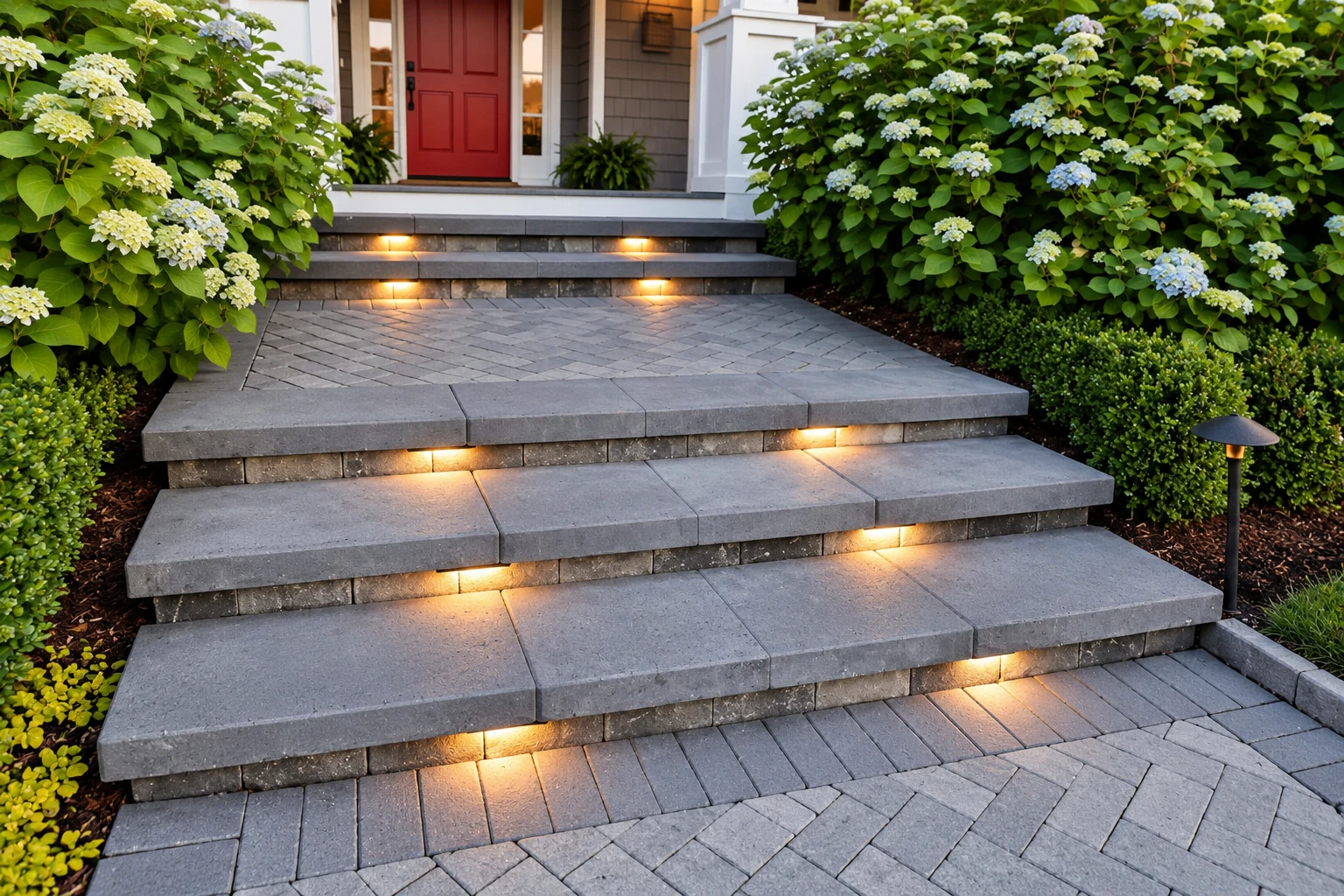
Front entries and garden stairs on sloped lots get even risers and a broom finish, a light texture that gives your shoes grip.
Learn more about Concrete steps constructionSlab foundation building
New additions, guest houses and garages get a slab foundation with rebar, the steel inside that holds the concrete together if it cracks.
Learn more about Slab foundation buildingFoundation installation
Foundations for new structures on uneven hillside ground, dug and formed to the plans and the slope, then poured once everything checks out.
Learn more about Foundation installationConcrete parking lot building
Larger parking areas for estates, shared drives and small commercial lots, graded so runoff goes where it should instead of across the slab.
Learn more about Concrete parking lot buildingConcrete footings
Footings for walls, posts, gates and additions. On a slope, getting their depth and placement right is what keeps everything above them steady.
Learn more about Concrete footingsFoundation raising
When part of an older house has settled, we look at why it moved first, then lift and support it so the floor sits level again.
Learn more about Foundation raisingConcrete cutting
Clean cuts through existing slabs for new drains, utility lines or doorways, or to remove a damaged section without breaking out the whole thing.
Learn more about Concrete cutting
What Montecito's slopes ask of new concrete
Water and loose soil moving downhill are the first things I look for on a Montecito lot, and people here know why, since the mudslides that followed the late-2017 wildfires destroyed more than 100 homes that January. That history doesn't tell me anything about one particular property, but it's why we check where the runoff goes, make sure a new slab falls away from the house and not toward it, and plan drains and walls before the forms go in.
Older slabs here usually fail from underneath, because the base was raked flat instead of dug out and packed, so the concrete settled along with the dirt. That's the trade-off I'll walk you through. The base is hidden the day we pour and it's the first thing people want to cut, but I'd rather spend your money there than on a fancier finish, because a nice surface on a bad base cracks just the same.
A free on-site estimate for your Montecito concrete project
Tell us what you're planning and anything you've noticed, like cracks, sinking or water pooling. We reply within one business day, and then I come out, look it over and write a free estimate with no pressure to book.
Montecito concrete questions
Who issues building permits for concrete work in Montecito?
The County of Santa Barbara issues them, because Montecito is unincorporated and has no city government of its own. Permits come from the county's Building & Safety Division. We check with the county about your address before we price the job, and when your job needs a permit we handle the application and set up the inspections.
Does a retaining wall or garden walk in Montecito need a permit?
The county's exempt list covers retaining walls up to 4 feet tall, measured from the bottom of the footing to the top of the wall, as long as the wall carries no surcharge, which is an extra load like a sloped yard or a driveway above it. Walks are on the list only when they're no more than 30 inches above the ground at any point, sit over no basement and aren't part of an accessible route. Plenty of hillside walls here hold exactly that kind of extra load, so we look at what sits behind and above yours and check with the county before we tell you which side of the line it falls on.
When does a contractor need a California license for concrete work?
The state licensing board requires a license for anyone building or altering a structure when the job needs a building permit, uses any other workers, or totals $1,000 or more in labor and materials across one or more contracts. A bigger project can't be split into smaller contracts to get under that line. We're licensed and fully insured.
How much does a concrete driveway cost in Montecito?
There's no honest number until I've seen the property, because the price comes down to the size and thickness of the slab, how much old concrete we break out, how much base work the ground needs and the finish you choose. On Montecito lots, long drives, steep grades and tight lanes where the truck can't get close usually add labor, and stamped or colored concrete costs more than a plain broom finish. The estimate is where you get your own figure.
What causes a new concrete driveway to crack on a hillside lot?
Besides a weak base, most cracking comes from water running under the slab, joints cut late or skipped, and pours done in the midday heat. Some cracking is normal because concrete shrinks as it dries, so we cut control joints early, which are grooves that give those cracks a straight line to follow where we chose. We also pour early in the day so the top doesn't dry too fast and turn weak and dusty later.
How long does a new concrete driveway take to cure before I can drive on it?
Usually you can walk on new concrete after a day or two and drive a car on it after about a week, and heavier trucks should wait longer. Curing is the slow hardening concrete does while it holds onto its water, and rushing it leaves a slab weaker than it should be. I'll give you your dates when we schedule the pour so you can plan where to park.
Planning concrete work in Montecito?
I'll walk the property with you, ask about the ground and the water, and write up a free estimate.
Other areas we serve
Choose a city below if you see yours, or call (805) 285-4985 or use our form to ask about your address.